
Deciding between concrete and steel for your next building project is one of the first major choices you’ll need to make. It’s not just about the material; it affects your overall cost, how quickly the build can be completed, ongoing maintenance, and how easy it will be to adapt the building later on.
In this guide, we’ll break down the key differences between a steel and concrete structure, including where each option works best and what you can expect in terms of cost. The aim of this blog is simple: give you a clear, straightforward comparison so you can decide which option makes the most sense for your project.
What Is The Difference Between A Concrete vs Steel Building?
A big difference between steel and concrete structures comes down to how they are built.
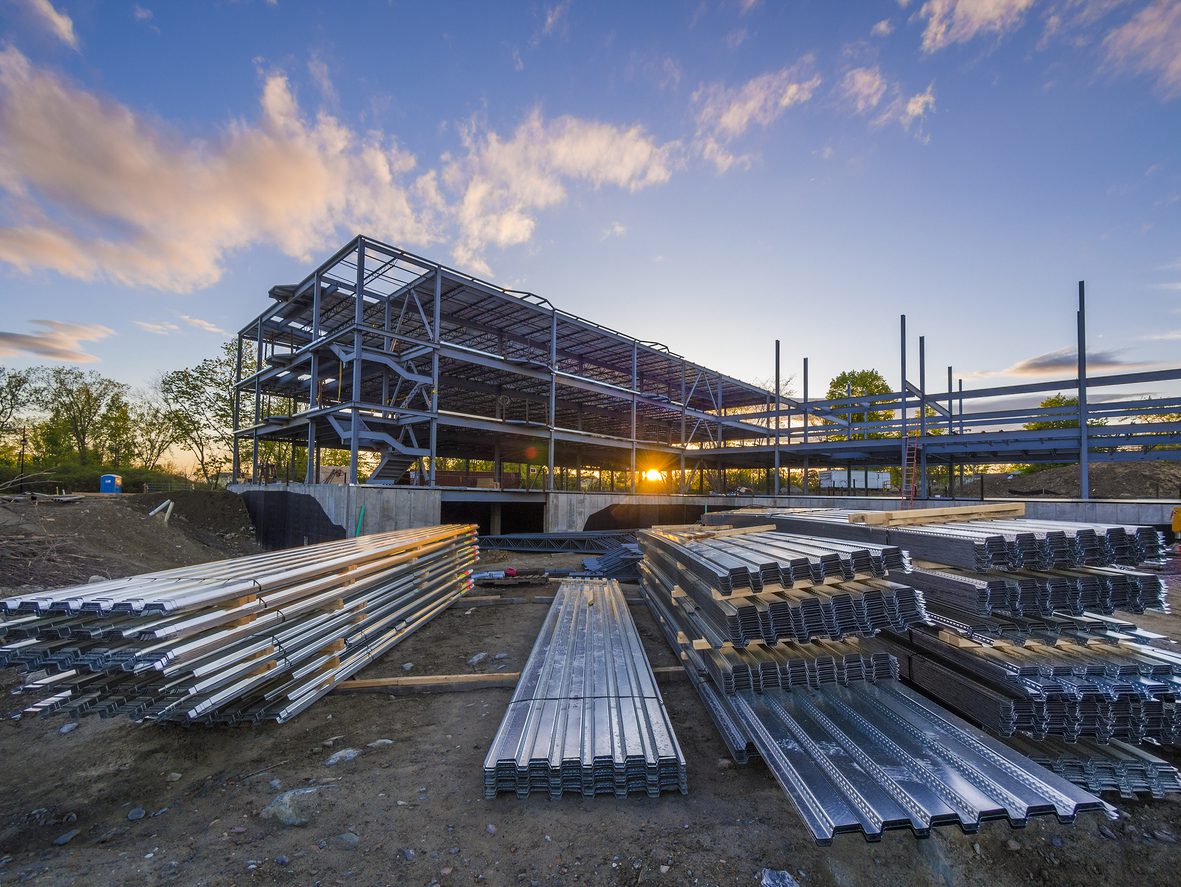
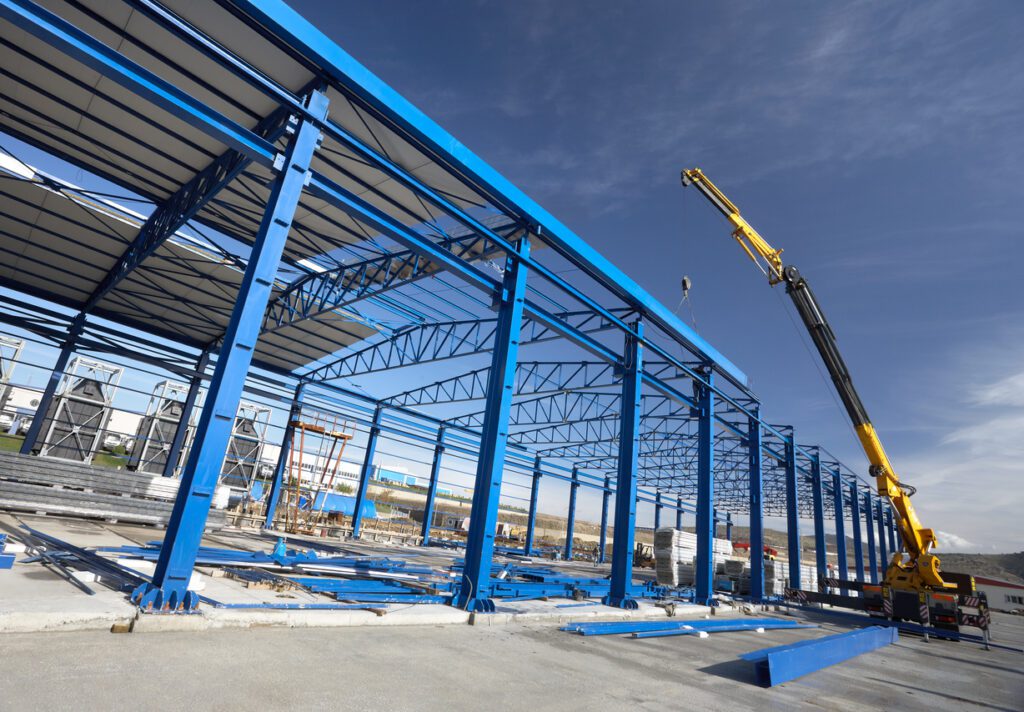
Steel buildings are built using a prefabricated frame made from structural steel. These components are typically manufactured off-site to precise specifications and then delivered ready to assemble. Once on-site, the frame can be quickly bolted together, which helps speed up the overall build and can potentially reduce labour time.
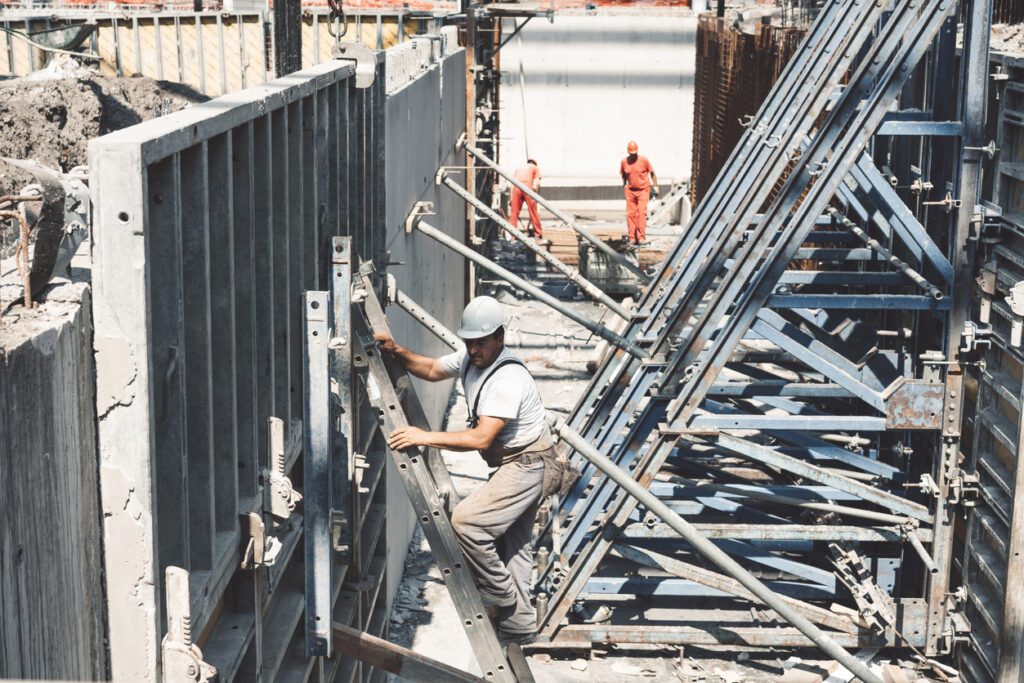
Whereas concrete buildings rely on poured concrete or precast concrete panels for structural support. Concrete is formed and set directly on-site, which involves more preparation, formwork, and curing time. Precast concrete, on the other hand, is made off-site but still requires careful installation and often heavier foundations.
In simple terms, steel construction is more about fast assembly using premade parts, while concrete construction involves more on-site work and longer build times.
Steel vs Concrete: Cost Comparison
As with every construction project, cost is likely the biggest factor to consider when deciding between materials.
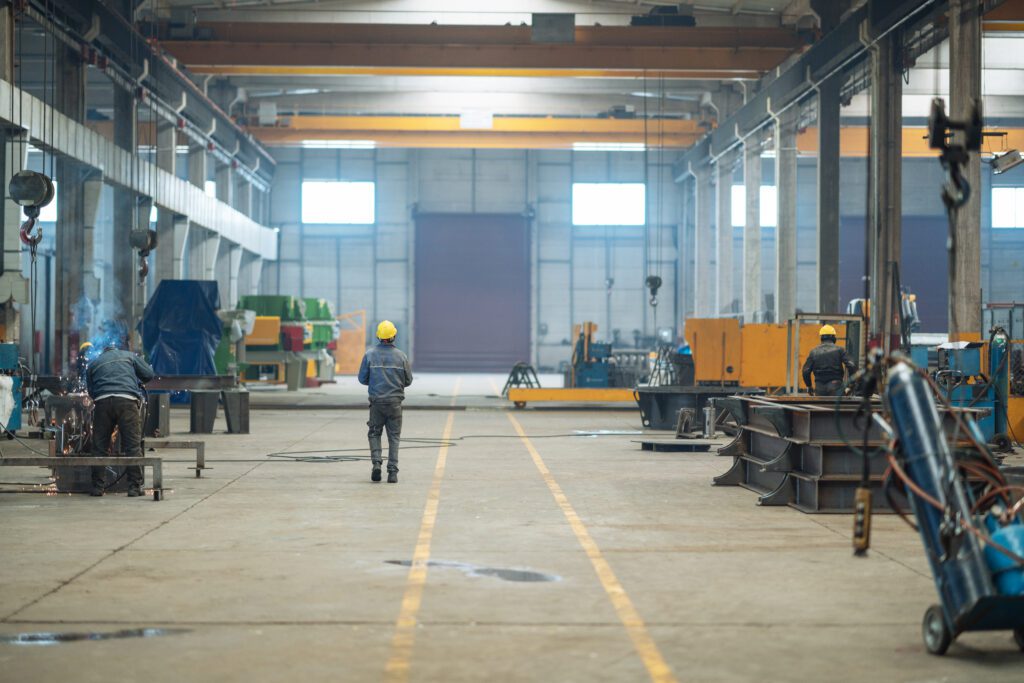
Steel framed buildings are often more cost-effective overall, mainly due to how quickly they can be put together and installed. With much of the structure prefabricated off-site, installation is faster and comes with lower labour costs.
Concrete can appear cheaper from a material point of view, but they typically involve more labour-intensive work on-site, and longer build schedules can quickly add to the total cost of your project.
What Factors Affect Steel vs Concrete Building Cost
Building Size
The size of your building can play a major role in the cost of your building project, and determining what material is best for you. Larger buildings tend to favour steel because it can span wide areas without the need for internal support columns. This makes it ideal for spaces like warehouses, agricultural units, and industrial buildings where open floor space is important.
Location and Access
Where your site is located and how easy it is to access can significantly affect the overall cost of a building project.
For steel buildings, prefabricated components need to be delivered and assembled on-site. If access is restricted or the site is remote, transport and installation can become more complex.
Concrete builds can be even more affected by location, as they rely heavily on on-site labour, equipment, and material deliveries. Limited access can slow down the process and increase labour time, which adds to the overall cost.
Ground Conditions
The condition of the ground beneath your site is another key factor.
If the soil is unstable or has poor load-bearing capacity, stronger and deeper foundations may be required. Because concrete structures are heavier, they often need more substantial foundations, which can increase costs.
Steel buildings are generally lighter, which can reduce the extent of foundation work needed — potentially saving both time and money.
Design Complexity
The more complex your building design, the more it will impact your budget.
Steel is naturally more flexible when it comes to design. It can be adapted to suit a wide range of layouts and is often easier to modify if changes are needed during or after construction.
Concrete, while strong, is less adaptable once poured. Complex shapes or bespoke designs can require additional formwork and labour, which can drive up costs.
Time Constraints
How quickly you need the building completed can have a direct impact on cost.
Steel buildings are typically much faster to construct because the main components are manufactured off-site and simply assembled on location. This reduces build time and can help reduce labour costs and delays.
Concrete construction takes longer due to the need for on-site work and curing time. If your project is time-sensitive, this extended timeline can increase overall expenses.
Which Material Is Stronger And More Durable?
When comparing steel vs concrete, both offer excellent strength and durability, but they perform differently depending on the situation.
Steel is incredibly strong in tension, meaning it can handle bending and movement without cracking. This makes it ideal for buildings that need large open spaces or flexibility. It’s also relatively lightweight, which reduces pressure on foundations while still maintaining structural strength.
Concrete, by comparison, is stronger in compression. It can support significant weight without being crushed, which is why it’s often used in foundations and heavy-load structures. It also performs well in terms of durability, particularly in harsh conditions, as it naturally resists fire and weathering.
Neither material is universally stronger; it depends on how the building will be used.
Which Is Faster To Build?
When comparing construction materials, build time can be an important factor, especially if delays could impact your budget or operation. In terms of being faster to build, steel comes out ahead.
Steel buildings are typically constructed using structural steel components that are manufactured off-site and delivered ready to assemble. Once on-site, the steel frame can be erected quickly, often in a matter of days, depending on the size of the project. Because everything is pre-engineered, there’s less need for adjustments during construction, which helps keep timelines predictable.
Reinforced concrete, on the other hand, is more time-intensive. It requires on-site preparation, formwork, pouring, and curing; all of which take time and can be affected by weather conditions. Even when using precast elements, installation is generally slower compared to steel.
If time is a key consideration, steel building materials usually offer a clear advantage. Faster construction means reduced labour costs, fewer delays, and the ability to get your building operational sooner.
Benefits of Steel
Steel is widely used in modern construction, and for good reason. It offers a range of benefits that make it a practical choice for many types of building projects.
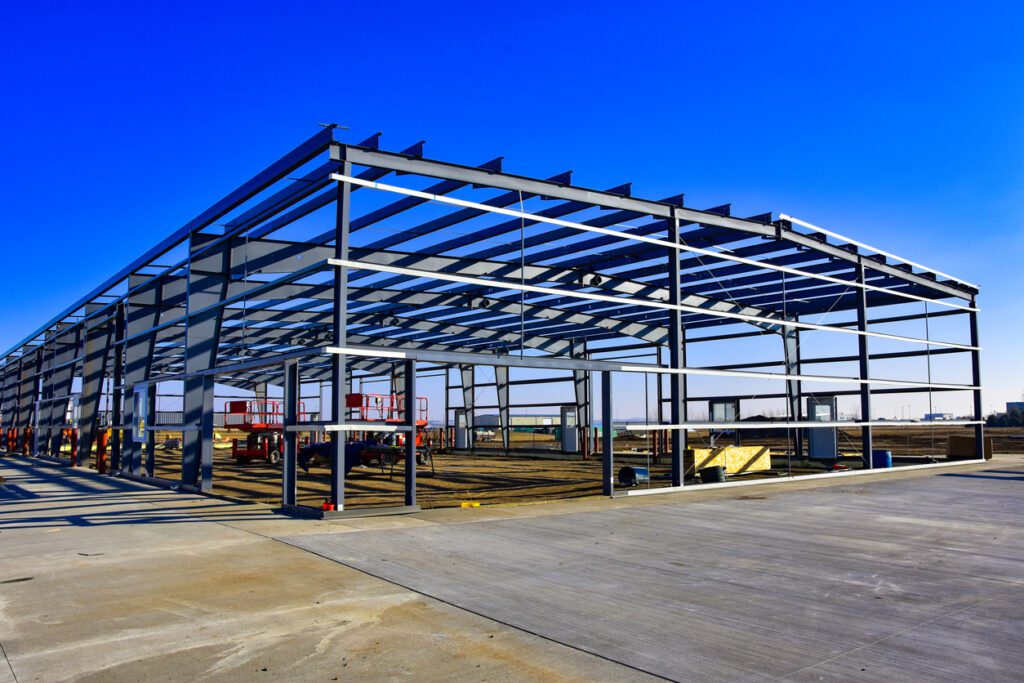
One of the biggest advantages of steel is the speed of construction. With the structural components prefabricated off-site, constructing the main frame is quick and efficient once everything arrives on location. This can significantly reduce project timelines and labour costs.
Steel also offers greater flexibility in design. It can span large distances without the need for internal supports, making it ideal for open-plan spaces such as warehouses or commercial units. This flexibility also makes future extensions or modifications much easier compared to more rigid materials.
Benefits of Concrete
One of the main advantages of reinforced concrete is its ability to maintain strong structural integrity under heavy loads. By combining concrete with steel reinforcement, it can handle both compression and tension, making it suitable for a wide range of construction projects.
Another key benefit is its natural fire resistance. Unlike some other materials, concrete does not burn, which can add an extra layer of safety depending on the building’s purpose. This makes it a popular choice in environments where fire protection is a concern.
Choosing The Right Material for Your Construction Project
Choosing between materials isn’t always straightforward, and a direct steel vs concrete comparison will usually come down to how you plan to use the building and what matters most to you: cost, speed, flexibility, or long-term performance.
Both options offer strong structural integrity, but they achieve it in different ways. Concrete provides a solid, rigid structure that performs well under heavy loads, while a steel frame offers a high strength-to-weight ratio, meaning you get excellent support without adding unnecessary weight to the foundations.
When you break it down, steel often becomes the more practical choice for many modern construction projects. Its lighter structure reduces groundwork requirements, and the prefabricated elements make it quicker to install. This not only helps control costs but also keeps your project moving without delays.
Steel also gives you more flexibility. Whether you’re designing a commercial unit, agricultural building, or industrial space, it’s easier to adapt or expand a steel structure over time compared to more fixed alternatives.
That’s not to say concrete doesn’t have its place; it can be a strong option for specific use cases, but for many projects, especially those where time, cost efficiency, and adaptability matter, steel stands out as a reliable and well-balanced solution.
Ready to Take The Next Step?
If you’re still weighing up a concrete vs steel building, the best way to move forward is to look at real figures based on your project.
Every build is different, and the only way to properly compare options is to get tailored quotes that reflect your size, layout, and intended use. That’s where Steel Building Quotes can help.
Instead of approaching multiple suppliers yourself, you can get competitive quotes from a range of trusted providers in one place. This makes it easier to compare costs, understand what’s included, and choose the option that fits your budget and timeline.
To get tailored quotes from multiple trusted steel building suppliers in one place, contact Steel Building Quotes today.