
Owning, storing or maintaining an aircraft comes with one big question: where do you keep it safely when it is not in use?
Leaving an aircraft exposed to rain, frost, wind, UV damage and debris can shorten its lifespan and make maintenance more expensive. At the same time, a poorly designed building can make daily use awkward if the doors are too narrow, the internal space is restricted or the site has not been planned properly.
That is why a steel aircraft hangar is such a practical option. Steel buildings can offer wide access, clear span space, durable construction and flexible layouts that suit private owners, flying clubs, airfield operators and commercial aviation businesses.
This guide explains why steel works so well for aircraft hangars, what to think about before building, and how to prepare for accurate steel building quotes.
Why Steel Aircraft Hangars Work So Well
Steel aircraft hangars are popular because they combine strength, open space and practical design flexibility.
Aircraft need more than a basic storage building. The structure must account for wingspan, tail height, door clearance, ground handling equipment, maintenance access and safe movement around the aircraft.
A well-designed steel hangar can be used for:
- Aircraft storage
- Helicopter storage
- Aviation equipment
- Workshop areas
- Parts storage
- Flying club facilities
- Commercial aviation operations
- Mixed-use storage buildings on airfield land
Steel construction also gives owners control over the final specification. A hangar can be kept simple and economical with non insulated cladding, or designed as a fully insulated aircraft warehouse with personnel doors, windows, roller shutters, office space and workshop areas.
What Are the Main Advantages of Using Steel for an Aircraft Hangar?
Steel is strong, durable and well suited to clear span construction, making it ideal for aircraft hangars. It allows wide openings, column free interiors and flexible layouts, helping owners move and store aircraft safely. Steel buildings are also cost effective, quick to manufacture, and can be designed with insulation, sliding doors, bi fold doors, roller shutters and personnel doors to suit different operational needs.
Steel Aircraft Hangars Provide Clear Span Space
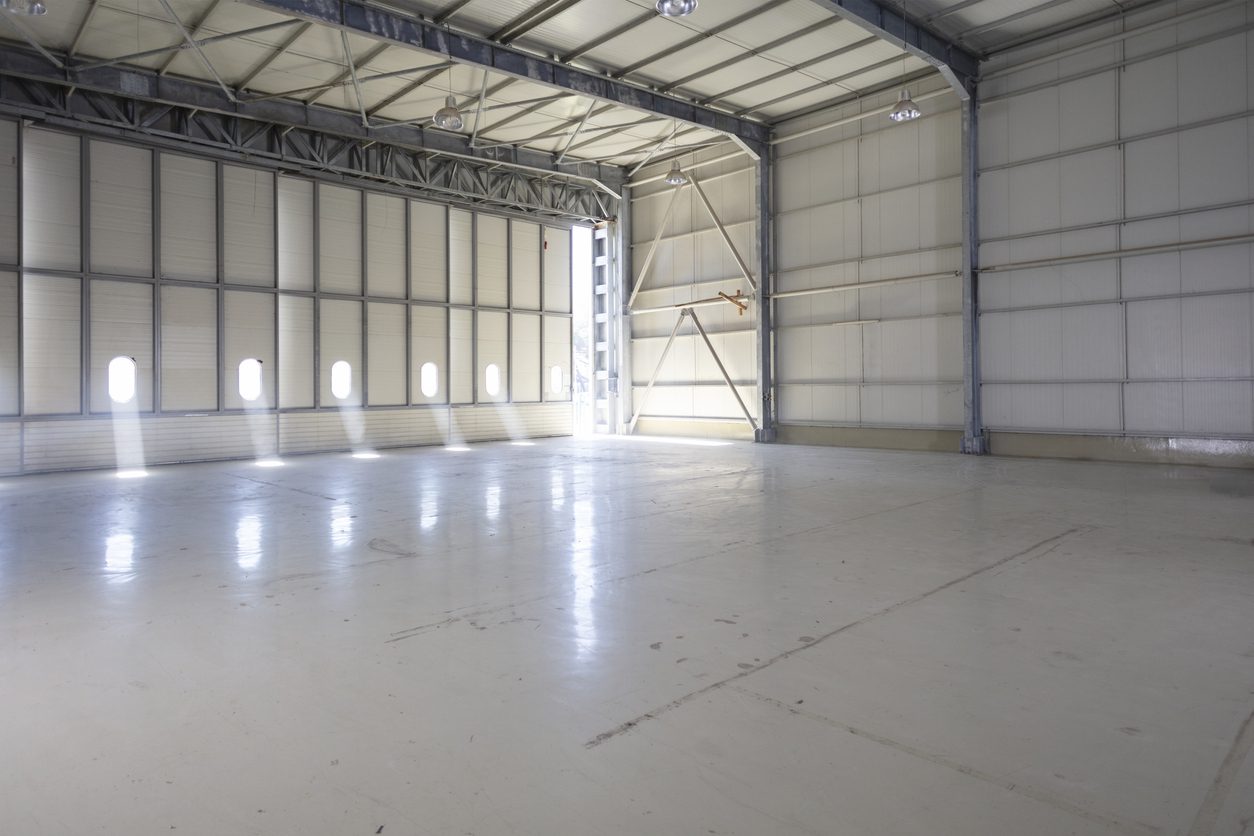
One of the biggest advantages of aircraft hangar steel buildings is the ability to create wide, open interiors.
Aircraft are not easy to manoeuvre around tight posts or awkward internal layouts. Even a small airplane hangar needs enough space for safe movement, inspections and access to key parts of the aircraft.
Clear span steel construction helps reduce or remove the need for interior columns. That gives you a more practical space for:
- Moving aircraft in and out
- Parking aircraft safely
- Carrying out inspections
- Storing tools and equipment
- Allowing vehicle or tug access
- Creating a workshop or shop area
- Planning for future aircraft changes
For example, a private owner may only need one aircraft bay and a small storage area. A flying club may need room for several aircraft, ground equipment and a separate member entrance. A commercial operator may need larger column free interiors so aircraft can be moved without constant repositioning.
The key point is simple: the hangar should be designed around how the space will actually be used.
Better Aircraft Storage Starts With the Right Door Design
Door choice is one of the most important parts of any steel aircraft hangar project. A building can be the right size on paper, but if the door opening is wrong, daily use becomes difficult.
Sliding Doors for Wide Aircraft Access
Sliding doors are often used for aircraft hangars because they can create wide openings and suit larger aircraft spans. They can work well where there is enough space to the side of the opening for the doors to slide clear.
Bi Fold Doors for Practical Aviation Use
Bi fold doors fold upwards and can be a good choice where side space is limited. They can provide useful clearance when specified correctly, particularly for hangars where regular aircraft movement is expected.
Roller Shutters for Workshops and Equipment Areas
Roller shutters are often used for secondary access points, maintenance spaces, tool stores or vehicle bays. They may not always be suitable as the main aircraft door, but they can make the building more practical.
Personnel Doors for Safe Daily Movement
Personnel doors should be included in the design from the start. Pilots, engineers, visitors and staff need a safe way to enter the hangar without opening the main aircraft doors every time.
Before choosing doors, check the aircraft’s wingspan, tail height, access route and any future aircraft you may need to accommodate.
Steel Buildings Can Suit Different Aviation Needs
No two aircraft hangars are exactly the same. A private hangar on rural land will have different requirements from a commercial aviation building at one of the UK’s many airports.
Steel works well because it can be manufactured to suit a wide range of uses, including small private hangars, large aircraft storage buildings and more complex aviation facilities.
A steel aircraft hangar can include:
- Insulated or non insulated cladding
- Rooflights or windows
- Sliding doors, bi fold doors or roller shutters
- Separate personnel doors
- Internal partitions
- Workshop areas
- Mezzanine storage, where suitable
- Concrete floor slabs
- Vehicle access points
- Drainage and guttering
- Security features
- Ventilation
- Fire safety measures
This design flexibility makes steel a popular choice for aviation buildings with specific needs. You can keep the structure simple, robust and economical, or add more detail where the project requires it.
How Much Space Does an Aircraft Hangar Need?
The space needed depends on the aircraft, how many aircraft will be stored, and whether the building will also be used for maintenance, equipment or commercial operations.
Do not plan the building around the aircraft footprint alone. You also need space for safe access, towing, inspection, tools, covers and any vehicles used on site.
When working out square foot requirements, think about:
- Aircraft length and wingspan
- Tail height
- Door width and height
- Space around the aircraft
- Access for maintenance
- Ground handling equipment
- Storage for parts and tools
- Workshop or shop areas
- Vehicle movement
- Concrete apron space
- Drainage and site levels
- Future aircraft changes
A common mistake is designing the hangar around the aircraft you own today, with no room for a future upgrade. If there is a chance you may need to accommodate a larger aircraft later, it can be more cost effective to allow for that during the design stage.
Why Steel Construction Can Be Cost Effective
A steel building is often cost effective because many components can be manufactured off site, delivered to the location and bolted together during installation.
The final cost will depend on the size, span, cladding, insulation, door type, location, delivery, groundworks and whether installation is included. A basic non insulated storage building will usually cost less than a fully insulated aviation facility with office space, bi fold doors and workshop areas.
Steel can help control the budget because it offers:
- Predictable manufacture
- Strong structural performance
- Fast installation compared with some traditional methods
- Fewer interior columns on clear span designs
- Flexible cladding and insulation options
- Good durability
- A wide range of door and access choices
The best way to compare costs is to request quotes based on the same specification. Otherwise, one company may quote for the frame only while another includes cladding, doors, delivery, structural detail and installation.
What Details Do You Need for a Steel Aircraft Hangar Quote?
To get a useful quote, you need to give suppliers enough information to price the same project. This makes it easier to compare costs fairly.
Before asking for quotes, prepare:
- Your site location
- The type and number of aircraft
- Approximate building size
- Required door width and height
- Preferred door type
- Insulated or non insulated finish
- Any windows or personnel doors
- Site access details
- Concrete base requirements
- Whether installation is needed
- Budget range
- Timescale
- Any known planning conditions
The more detail you provide, the more accurate the quote is likely to be. It also helps avoid surprises later in the project.
Why Steel Is Such a Strong Choice for Aircraft Hangars
Steel buildings make excellent aircraft hangars because they offer strength, open space, durability and practical design options. They can be manufactured to suit different aircraft, locations and budgets, while giving owners the clear span interiors and wide door openings needed for safe aircraft storage.
The best hangar is not always the largest or most expensive. It is the one that suits the aircraft, the site, the weather, the daily operation and the owner’s long-term plans.
If you are planning a steel aircraft hangar, start by preparing your key details: aircraft size, site location, preferred door type, insulation needs, access requirements and whether installation is needed.
Steel Building Quotes can help you compare trusted UK suppliers for aircraft hangar steel buildings, giving you a clearer view of cost, specification and suitable options for your project.
Ready to plan your aircraft hangar? Request a quote from Steel Building Quotes and compare steel building suppliers based on your site, aircraft and budget.